Summary
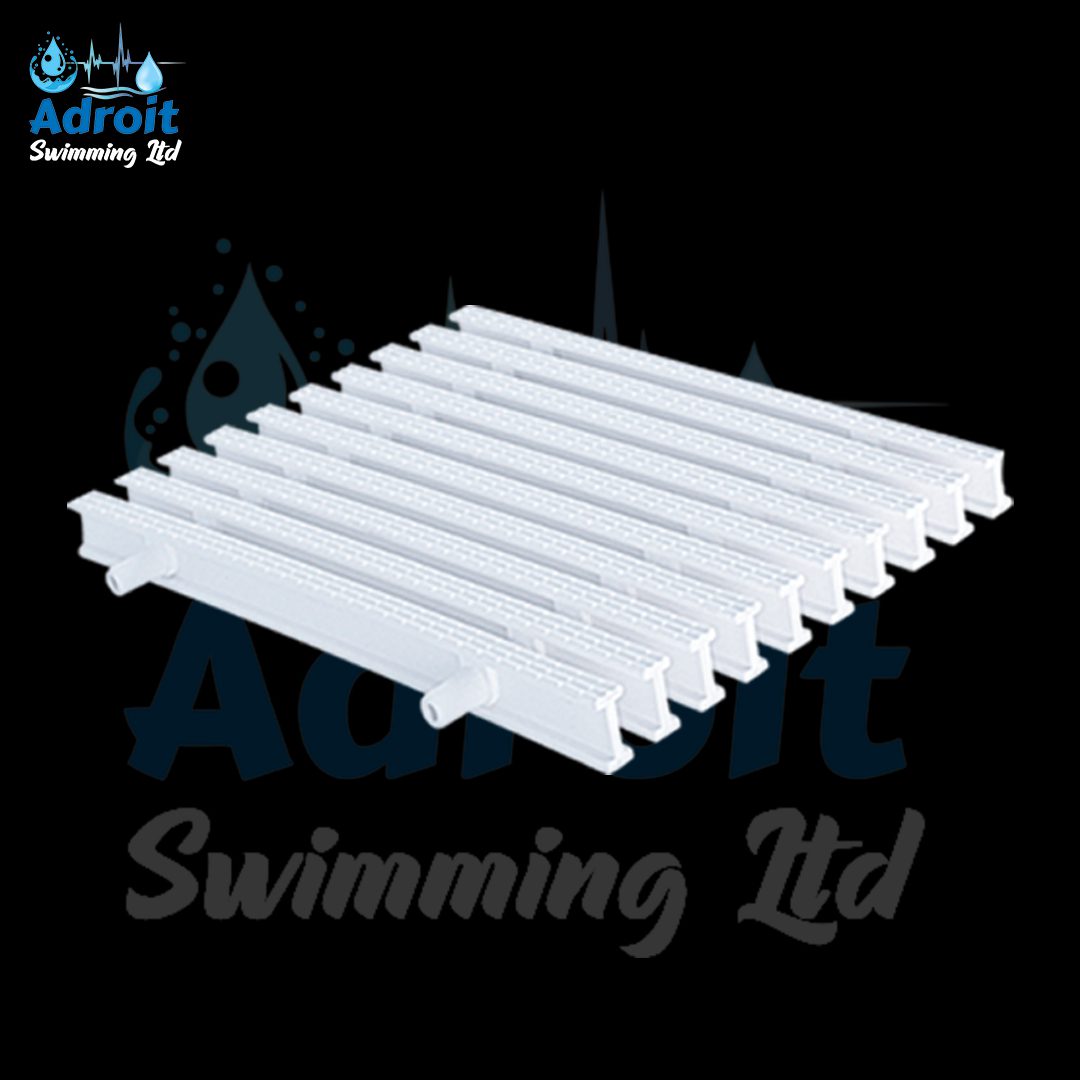
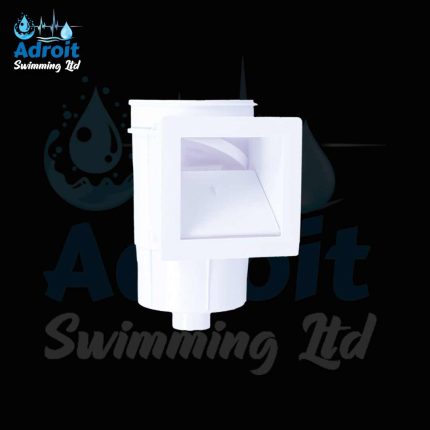
An overflow grating in white serves both functional and aesthetic purposes in pool design, contributing to safety, cleanliness, and visual appeal. This comprehensive guide explores the purpose, design features, materials, installation considerations, maintenance requirements, applications, and advantages of a white swimming pool overflow grating.
Purpose and Function of Overflow Grating in White
The primary purpose of an overflow grating in white is to capture and redirect surface water overflow into the pool’s gutter or drainage system. Key functions include:
- Water safety: It prevents pool users from coming into contact with the overflow channel, reducing the risk of accidents or injuries.
- Surface water management: It efficiently collects surface debris, leaves, and oils, directing them toward the filtration system for removal and enhancing water clarity and cleanliness.
- Aesthetic enhancement: The clean white finish contributes to the overall visual appeal of the pool area, especially when designed to complement the pool’s aesthetics and surroundings.
Design Features of Overflow Grating in White
Overflow gratings for swimming pools are engineered with specific features to optimize performance and appearance:
- Material: Typically made from durable, UV-resistant materials such as PVC (polyvinyl chloride), ABS (acrylonitrile butadiene styrene), or fiberglass for longevity and resistance to environmental factors.
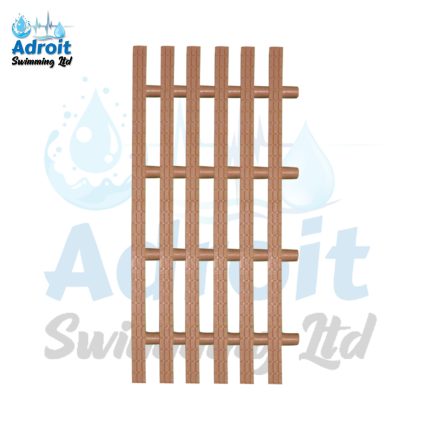
- Color options: Available in white (and other colors) to match or contrast with the pool’s interior finish, tiles, or surrounding architecture, offering design flexibility.
- Profile: Designed with a smooth surface and rounded edges for swimmer comfort and safety while facilitating unobstructed water flow.
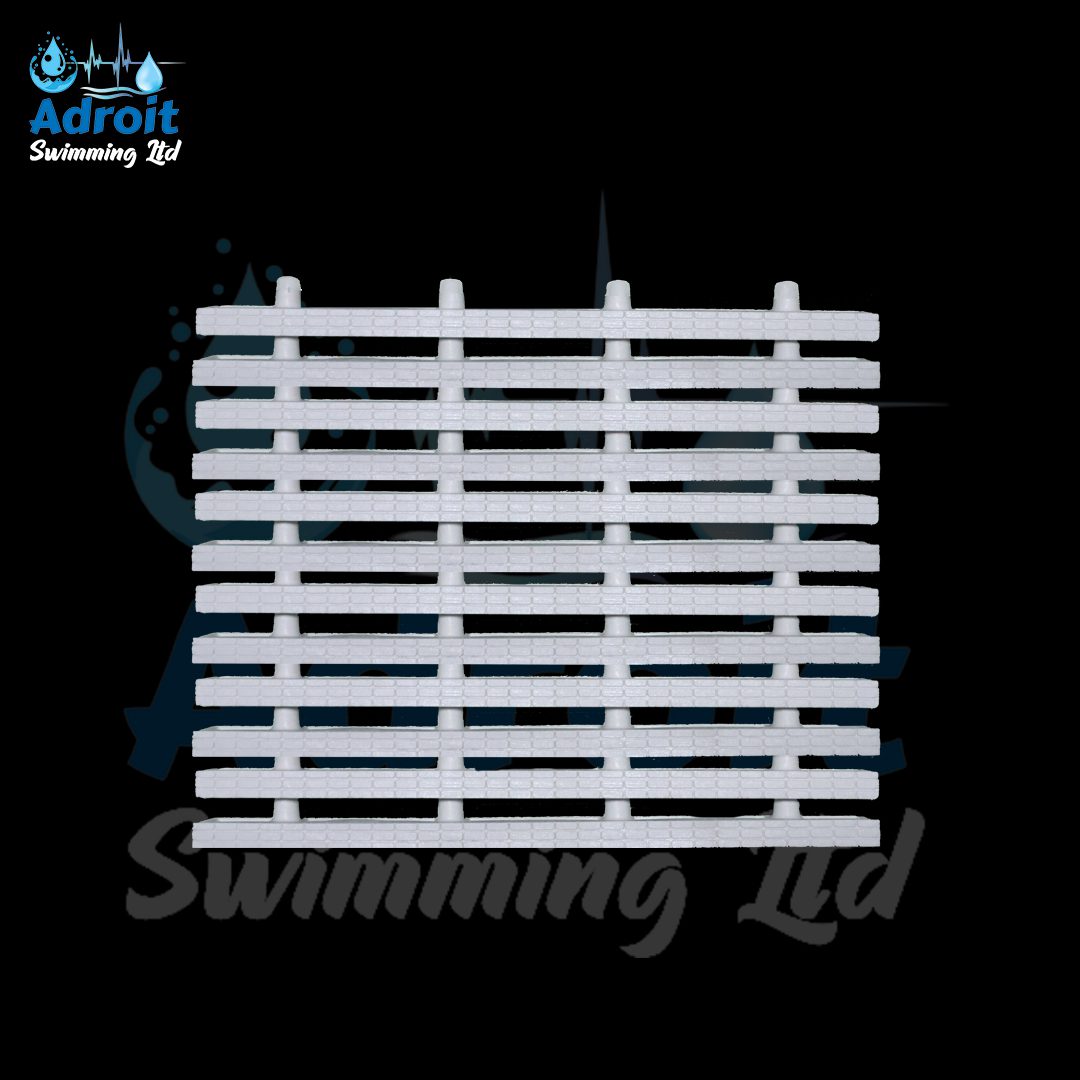
- Slotted design: Features a slotted or perforated surface that allows water to pass through while capturing debris and preventing large objects from entering the overflow system.
Materials for Overflow Grating in White
Common materials used in a white swimming pool overflow grating include:
- PVC (Polyvinyl Chloride): Lightweight, durable, and corrosion-resistant—ideal for both indoor and outdoor installations.
- ABS (Acrylonitrile Butadiene Styrene): Offers strength, impact resistance, and dimensional stability with strong aesthetic appeal.
- Fiberglass: Provides exceptional durability, weather resistance, and customization options, making it suitable for high-traffic or commercial pool environments.
Installation Considerations for Overflow Grating in White
Proper installation of an overflow grating in white requires careful planning to ensure functionality and safety:
- Measurement and placement: Accurately measure the perimeter of the pool’s overflow channel to determine the required length and number of gratings for complete coverage.
- Secure mounting: Anchor the gratings firmly to the pool wall or coping using appropriate fasteners or adhesives, ensuring they sit flush with the pool edge to eliminate tripping hazards.
- Alignment: Install the gratings uniformly along the pool perimeter for consistent water capture, flow, and aesthetic integrity.
- Compatibility: Confirm compatibility with the pool’s filtration and drainage system so the gratings support efficient water flow and debris management.
Maintenance Requirements for Overflow Grating in White
Regular maintenance keeps a white overflow grating performing optimally and looking its best:
- Cleaning: Periodically remove debris, algae, or calcium deposits with a soft brush or mild detergent solution, then rinse thoroughly.
- Inspection: Check regularly for wear, cracks, or loose fasteners and repair or replace as needed to maintain safety and function.
- Water chemistry: Monitor pool water chemistry to prevent scaling or corrosion on the grating and surrounding surfaces.
- Winterization (if applicable): In colder climates, drain water from the overflow channel and cover or store the gratings to protect them from freezing temperatures.
Applications of Overflow Grating in White
A white swimming pool overflow grating is versatile and suitable for multiple settings:
- Residential pools: Enhances safety and cleanliness in backyard pools while elevating the overall design aesthetic.
- Commercial pools: Used in hotels, resorts, and aquatic centers to manage overflow efficiently and maintain a clean, safe environment for guests.
- Public pools: Installed in municipal pools and water parks to support safety, water management, and a positive visitor experience.
Advantages of Overflow Grating in White
Choosing an overflow grating in white delivers several clear benefits:
- Safety: Minimizes slip hazards and prevents accidental contact with the overflow channel.
- Cleanliness: Efficiently captures surface debris and oils, improving water clarity and reducing the need for manual skimming.
- Aesthetics: Enhances the visual appeal of the pool area, especially when coordinated with tiles, coping, or landscaping.
- Durability: High-quality materials withstand sunlight, pool chemicals, and frequent use for long-term reliability.
Conclusion
In conclusion, an overflow grating in white is an essential pool component that combines practical performance with clean, modern aesthetics. It supports safety, efficient water management, and visual appeal across residential, commercial, and public pool environments. By selecting quality materials and following proper installation and maintenance practices, pool owners and operators can create a safer, cleaner, and more attractive swimming environment that meets both functional and design expectations.

Reviews
There are no reviews yet.